Monday Kitchen Confidence · Cooking Tips
Types of Onions and How to Use Them
Let’s Talk Onions: Your Monday Kitchen Confidence Guide
Not sure which onion to use? This guide to five common types of onions explains when to choose yellow, white, red, sweet or green onions. Welcome back to Monday Kitchen Confidence—let’s build better flavor, one onion at a time! 🧅
Different onions bring different flavors, textures, and levels of sweetness to your dishes. Knowing which onion to use and when can take your cooking from good to absolutely unforgettable. Let’s break it down!
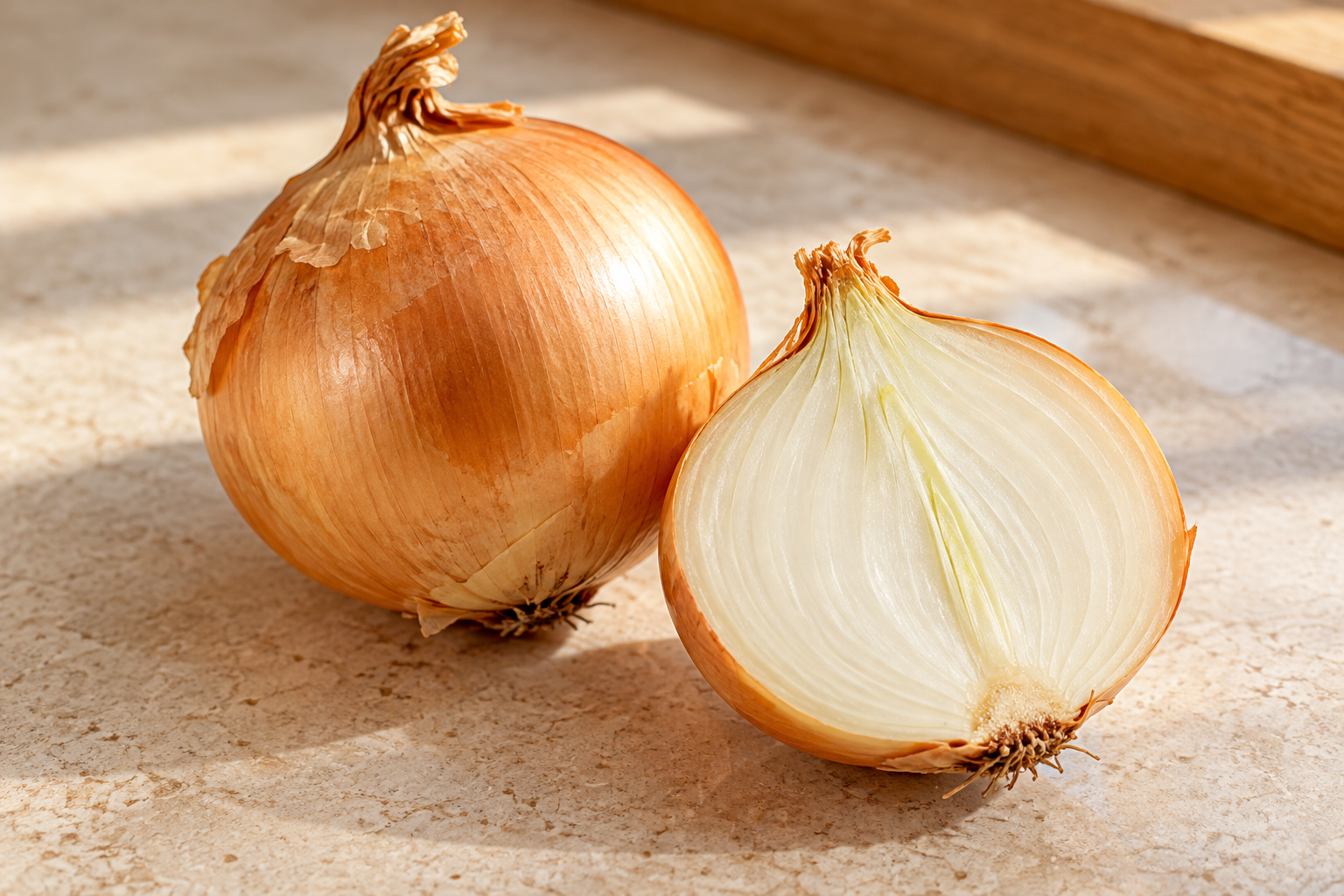
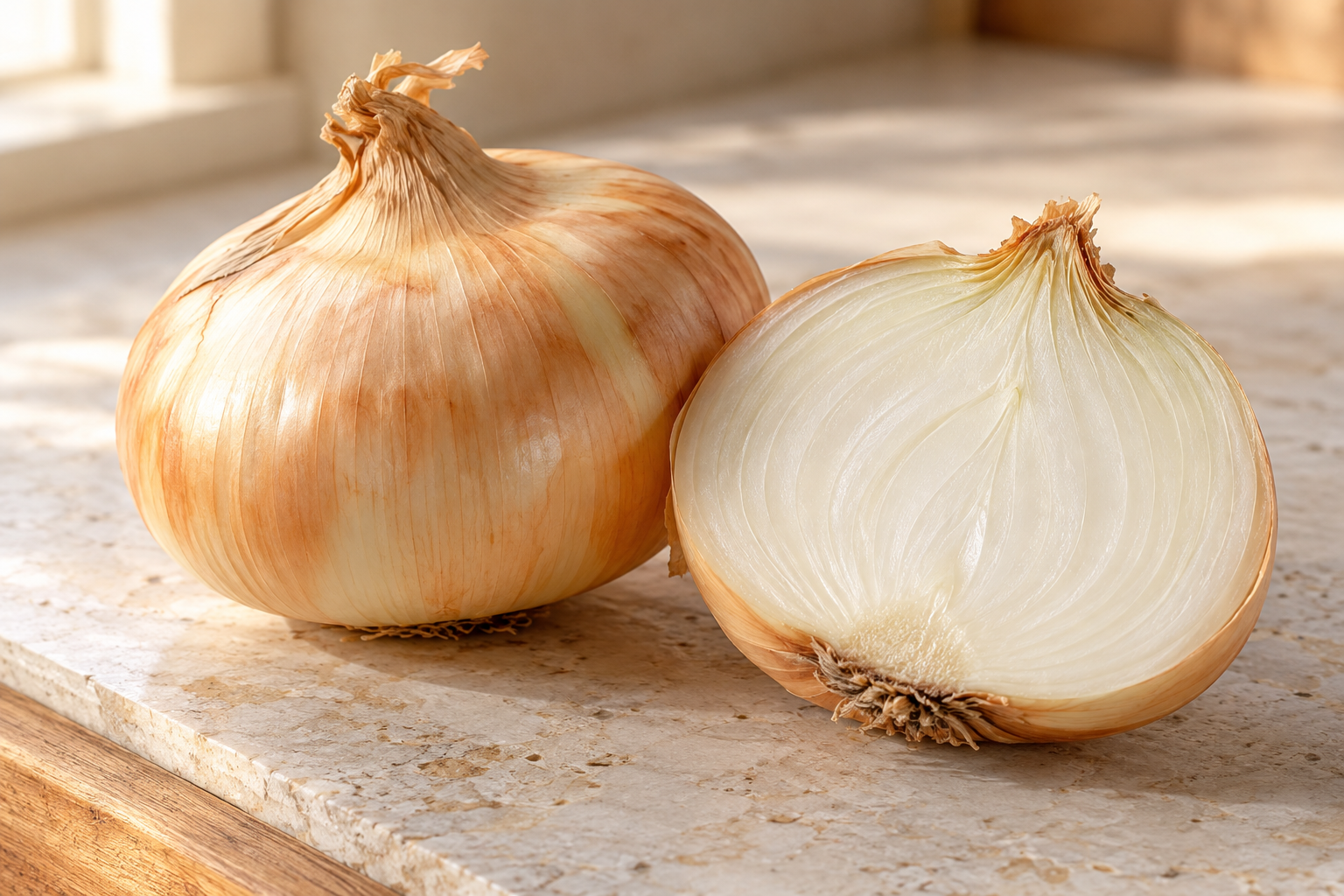
YELLOW ONIONS
The Everyday MVP
Yellow onions have a strong, savory flavor that mellows and sweetens when cooked. Use them as your everyday starting point for cooked dishes.
Best used for: soups, stews, gravies, sauces, roasts, casseroles, and everyday cooking.
Kitchen Confidence Tip: For a pot of red beans, a savory gravy, or a comforting Sunday roast, yellow onions will show up and do their job.
How and when to use them
Dice and sauté them early to build a flavorful base, or add larger pieces to a roast or stew. For caramelized onions, cook sliced onions slowly over medium-low to low heat, stirring and giving them time to turn deeply golden. That rich sweetness takes patience!
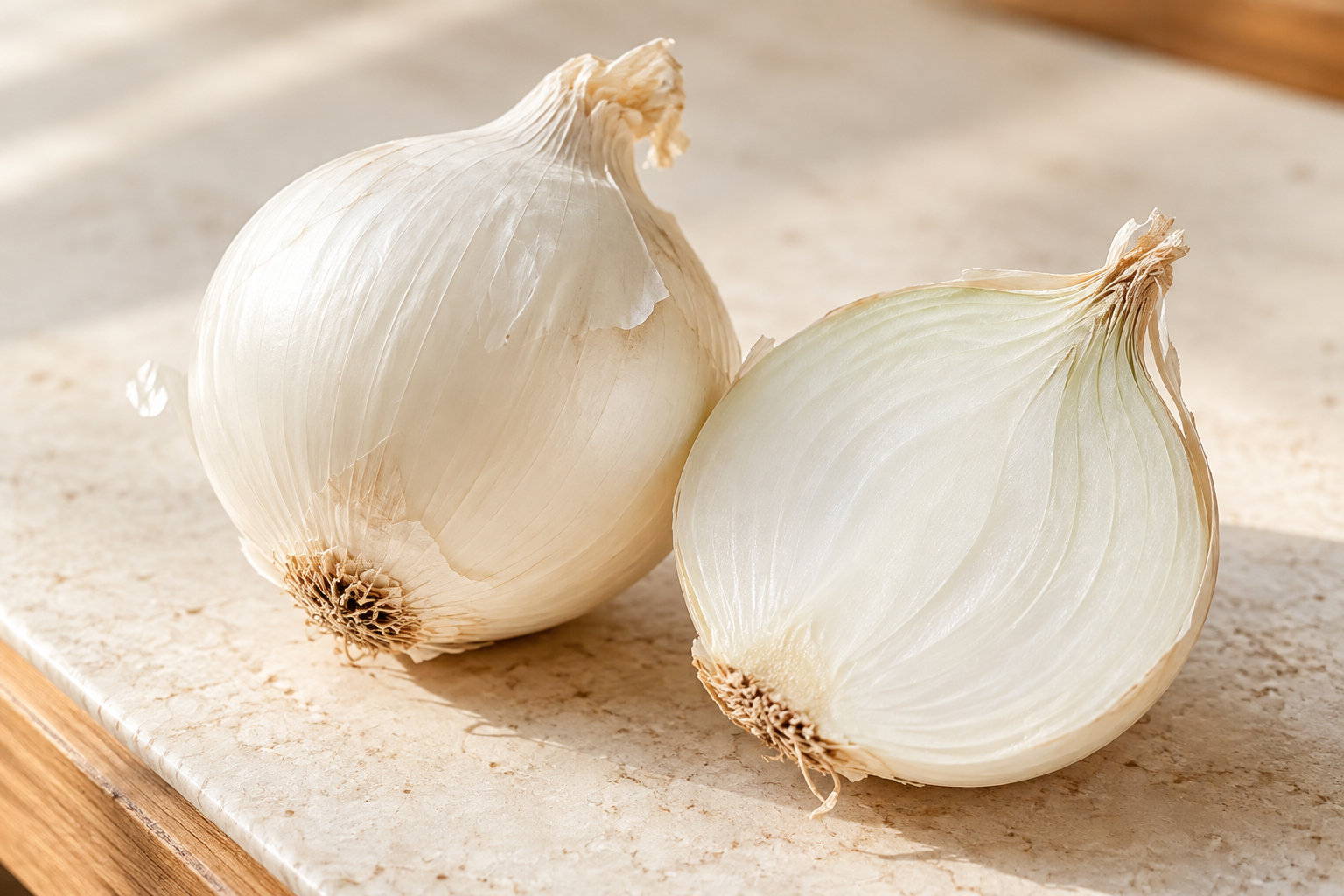
WHITE ONIONS
The Bold & Beautiful
White onions bring a sharp flavor and crisp texture. Choose them when you want onion flavor to stand out in fresh toppings.
Best used for: salsa, pico de gallo, tacos, salads, marinades, and quick stir-fries.
Kitchen Confidence Tip: If a raw onion tastes too strong, soak the cut pieces in cold water for about 10–15 minutes, then drain and pat dry before using.
How and when to use them
Finely dice them for salsa or taco toppings. Add them toward the end of a quick stir-fry if you want some crunch, or cook them earlier for a softer texture.
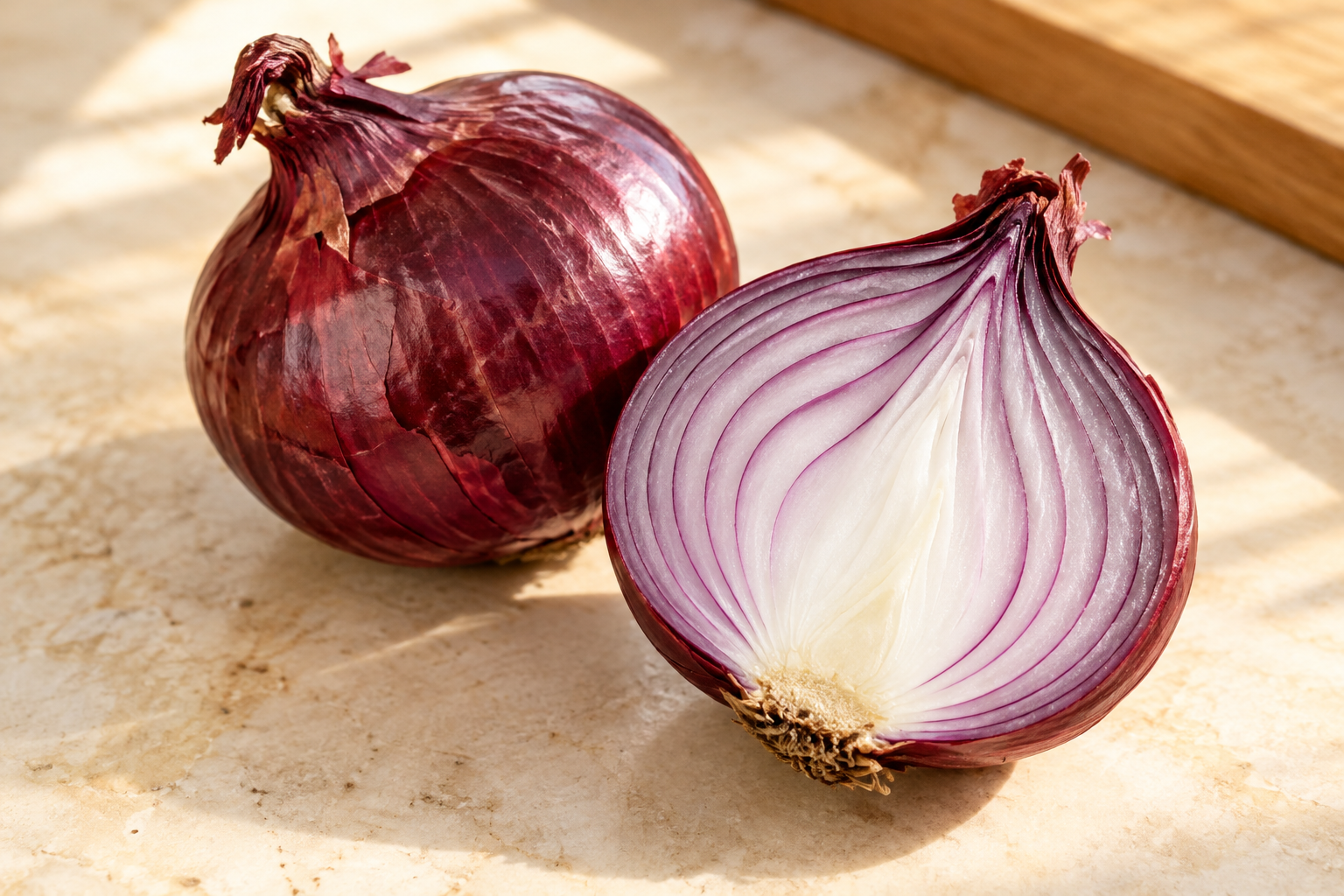
RED ONIONS
The Pretty Ones With Personality
Red onions add beautiful color and a peppery bite. Use them fresh, pickled, grilled or roasted.
Best used for: salads, sandwiches, burgers, pickled onions, grilled vegetables, and fresh toppings.
Kitchen Confidence Tip: A few thin slices can bring brightness and crunch to a rich burger, a rice bowl, or a plate of jerk chicken.
How and when to use them
Slice thinly for salads and sandwiches, or cut into wedges for roasting and grilling. Add raw slices just before serving for the freshest crunch.
SWEET ONIONS
The Sweethearts of the Kitchen
Sweet onions, including Vidalia, have a mild flavor with less sharp bite. Choose them when you want a gentler onion flavor.
Best used for: onion rings, roasted onions, grilled onions, burgers, sandwiches, and sweet-and-savory dishes.
Kitchen Confidence Tip: Watch the heat when browning onions. You want golden, flavorful edges—turn the heat down if they darken before they soften.
How and when to use them
Cut thick rings for frying, use wedges for roasting, or slice for the grill. They can also be used raw when you want a gentler onion flavor.
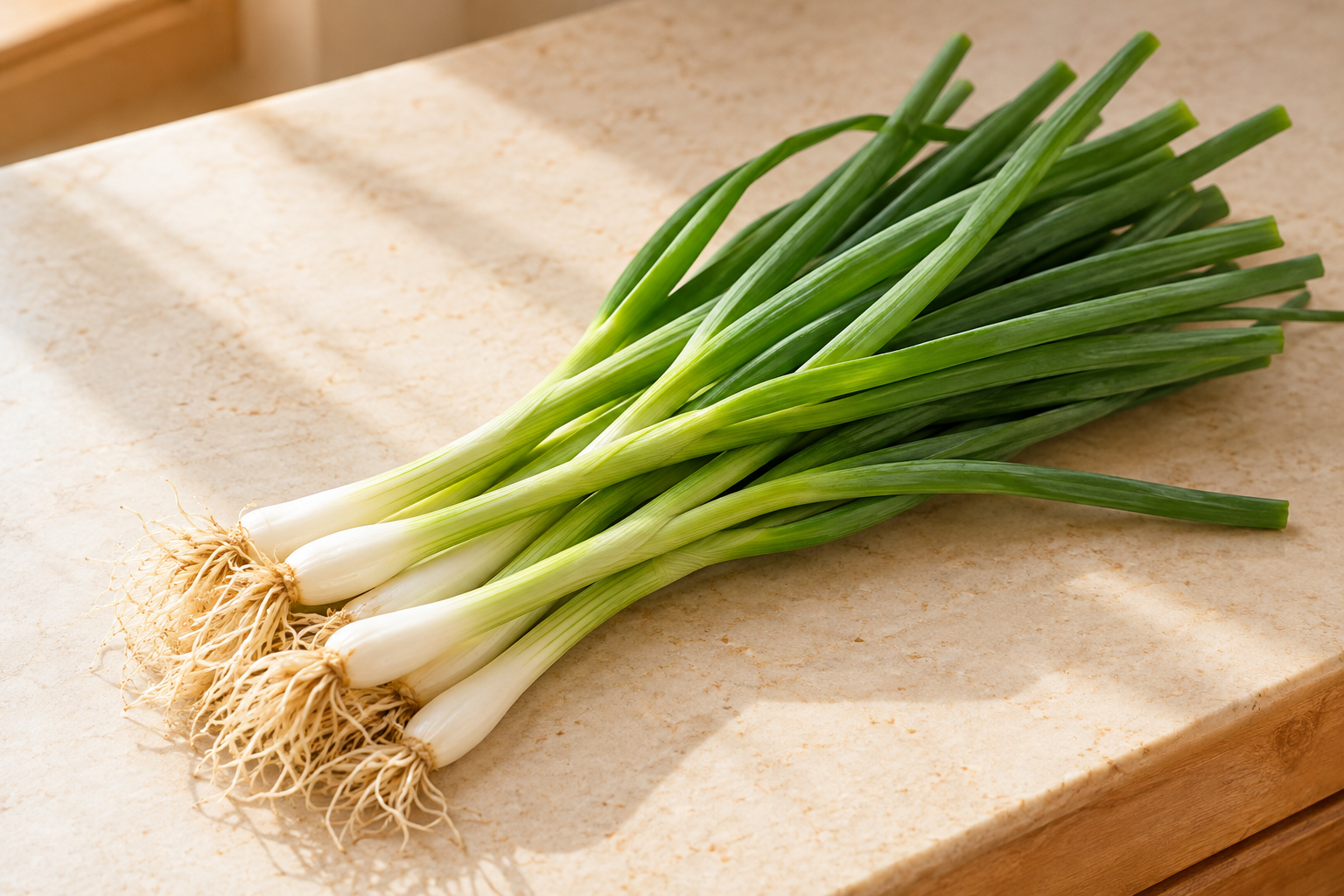
GREEN ONIONS
Small But Mighty
Green onions, also called scallions, bring fresh, mild onion flavor. Both the white bases and green tops have a place in your cooking.
Best used for: baked potatoes, soups, fried rice, eggs, dips, noodles, and garnishes.
Kitchen Confidence Tip: Don’t underestimate that final sprinkle! Green onions can make a comforting bowl look and taste finished.
How and when to use them
Add the firmer white and light-green parts earlier for a little cooked onion flavor. Sprinkle the tender green tops on near the end or after cooking for fresh flavor and color.
More Kitchen Confidence: Cutting & Cooking Onions
Your Cut Changes the Dish
- Finely diced: for salsa, dips, and sauces where you want small, even bites.
- Medium diced: for soups, stews, skillets, and everyday sautéing.
- Thinly sliced: for sandwiches, salads, and caramelized onions.
- Thick rings or wedges: for onion rings, grilling, and roasting.
Use a sharp knife and a steady cutting board. For dicing, halve the onion from root to stem, peel it, and place the flat side down. Keep your fingertips tucked and aim for evenly sized pieces so they cook at the same rate.
When Should You Add Onions?
- At the beginning: when you’re building a flavor base for soup, stew, gravy, or sauce. Let the onions soften before adding quick-cooking ingredients such as minced garlic.
- During cooking: when you want onions to soften but keep some texture, as in a skillet or stir-fry.
- At the end: when you want freshness, crunch, or a finishing garnish.
Remember: Softened onions and caramelized onions are two different stages. Softening takes minutes; deep caramelization takes much longer. Let the color and flavor guide you.
Common Questions About Types of Onions
What is the best onion for everyday cooking?
Yellow onions are a dependable choice for soups, stews, gravies and sauces. Their sharp flavor mellows and becomes sweeter as they cook.
Which onions are best to eat raw?
Red onions are popular in salads and sandwiches, white onions add bite to salsa and tacos, and sweet onions offer a milder option. Slice thinly for an easier bite.
Can I substitute one type of onion for another?
Yellow, white, red and sweet onions can often substitute for each other in cooked dishes, though flavor, sweetness and color will change. Green onions are smaller and milder, so they are not a direct one-for-one swap for a large bulb onion.
Are green onions and scallions the same thing?
Yes. Green onions are also called scallions. Cook the firmer white and light-green parts earlier and add the tender green tops near the end.
Keep building your kitchen confidence with my home cooking tips and techniques, or put your onion knowledge to work in these Philly cheesesteak stuffed bell peppers.
Let’s Chat!
What’s your favorite onion to cook with?
Are you Team Yellow, Team Red, or do you just grab whatever is in the kitchen? Share your favorite with the Flavor Family!