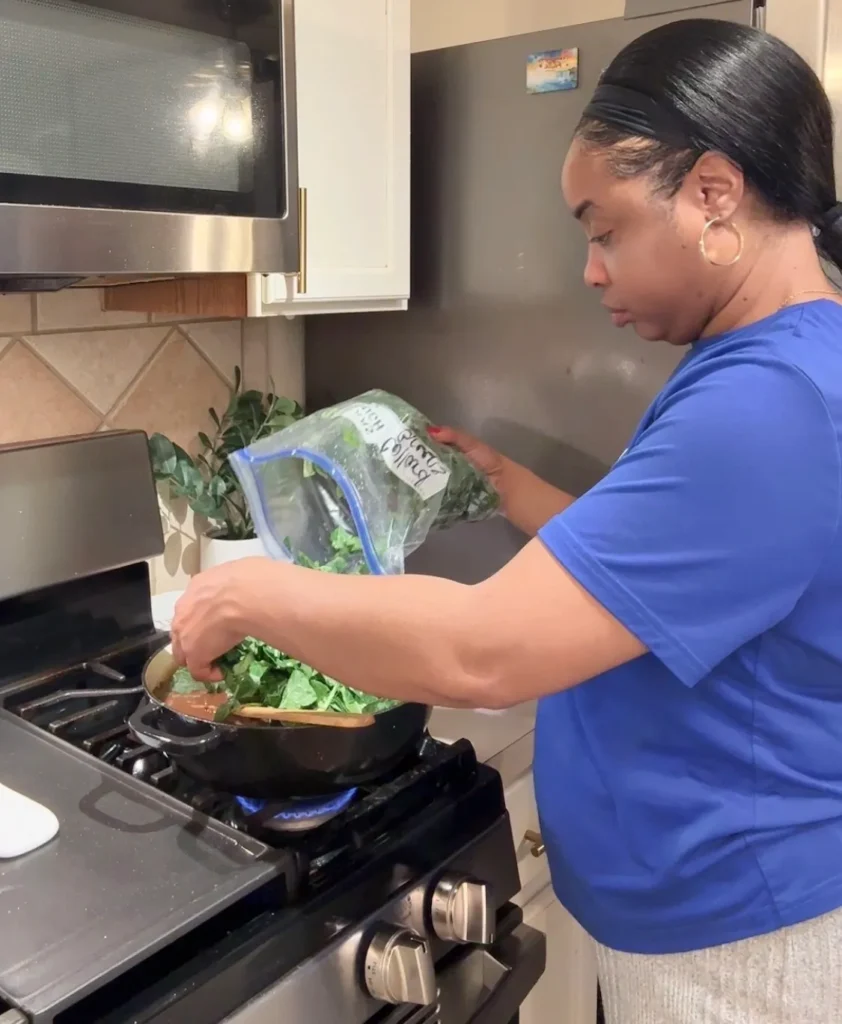
Ignite Your Culinary Journey
Step into an adventure where every home-cooked meal tells a story of creativity, precision, and warmth. In today’s fast-paced world, the art of home cooking stands as a testament to both tradition and innovation—bridging the gap between everyday ingredients and delightful experiences. This guide is designed to unlock your potential in the kitchen, offering practical insights and step-by-step strategies tailored for the passionate home cook.
Expect to learn how to:
- Harness time-tested techniques that elevate everyday recipes.
- Experiment with seasonal, locally-sourced produce and innovative flavor combinations.
- Embrace culinary creativity while maintaining a balanced approach to nutrition.
By exploring actionable tips and industry-relevant methods, you’ll discover the power of meal planning, proper seasoning, and efficient preparation techniques that transform routine cooking into an empowering experience. Whether you’re a beginner or looking to refine your skills, this comprehensive guide serves as your roadmap to mastering essential tips and techniques that make every dish a celebration of flavor and community.
7 Foundational Cooking Skills Every Home Chef Should Master
- Knife Skills Mastery
Learn proper techniques for chopping, dicing, and mincing. Precision with your knife not only elevates your presentation but also ensures even cooking and safety in the kitchen. - Heat Management Techniques
Understanding how to control stove and oven temperatures is critical. Master the art of searing, simmering, and baking by adjusting heat settings based on your local kitchen setups and ingredient needs. - Seasoning and Flavor Balancing
Develop an intuitive sense of when to add salt, spices, or herbs. Experiment with layering flavors to enhance dishes, drawing from both traditional recipes and modern culinary innovations. - Sautéing and Stir-Frying Fundamentals
Practice quick-cooking methods that keep ingredients crisp and vibrant. This skill minimizes nutrient loss while delivering a gourmet finish to everyday meals. - Perfecting Pasta and Rice Cooking
Achieve the ideal al dente texture or fluffy grain mastery by understanding water-to-grain ratios, which are essential for many household recipes. - Sauce and Stock Preparation
Build depth in your dishes with homemade sauces and stocks. These foundational components are indispensable for creating comforting meals. - Plating and Presentation Skills
Enhance your dining experience through artful presentation. Learn how to arrange colors and textures that appeal to both local food enthusiasts and global palates.
Transform Your Kitchen into a Balanced Meal Haven
Creating a nutritious and balanced meal is easier than you might think. Follow this step-by-step guide to simplify your meal prep and cooking process:
- Plan Your Menu: Start by selecting a protein, whole grains, and a variety of vegetables. Choose ingredients that are fresh from your local market to ensure top quality and flavor.
- Prep Ingredients: Wash, chop, and measure everything before you begin cooking. This mise en place technique saves time and helps maintain focus during the cooking process.
- Cook Smartly: Use heat control to your advantage. Sauté vegetables over medium heat to preserve nutrients, and opt for grilling or baking proteins to avoid excess oils.
- Balance Flavors: Incorporate herbs and spices to elevate your dishes, keeping the flavors harmonious and vibrant.
- Final Assembly: Arrange your protein, grains, and vegetables artfully on your plate. Add a drizzle of healthy oil or a squeeze of lemon for an extra burst of flavor.
By following these actionable steps, you can create a delicious, balanced meal right at home that meets both your nutritional needs and taste preferences.
Navigating the Hurdles of Home Cooking
Home cooking can sometimes feel overwhelming, especially when juggling meal planning, unexpected mishaps, or time constraints. Many cooks encounter common challenges that can disrupt even the most passionate culinary endeavors. Understanding these obstacles and embracing practical solutions can help transform your cooking routine into a more enjoyable, efficient experience.
One frequent challenge is managing prep work and timing. To combat this, consider:
- Meal planning ahead: Organize your recipes and ingredients before starting.
- Batch prepping: Chop vegetables or marinate proteins in advance to streamline cooking.
- Investing in versatile tools: Quality kitchen tools can simplify tasks and boost efficiency.
Another hurdle is dealing with recipe failures or imbalances in flavor profiles. Experimentation, paired with careful adjustments of herbs, spices, and seasoning, often leads to delightful new discoveries in your culinary repertoire. Local culinary enthusiasts might also explore farmer’s markets or community classes for fresh inspiration and authentic tips. With a few proactive strategies and a willingness to adapt, you’ll not only overcome cooking challenges but also elevate your home cooking to a rewarding art.
Frequently Asked Questions
What essential tools should every home cook have?
Having the right utensils is key. A sharp knife set, sturdy cutting boards, reliable pans, and versatile gadgets can elevate your cooking experience. Investing in quality tools helps create consistent and flavorful meals.
How can I improve flavor profiles in my dishes?
Enhancing flavor starts with proper seasoning. Experiment with herbs, spices, and infusions to layer flavors effectively. Understanding balancing elements like acid, salt, and sweetness turns ordinary recipes into culinary delights.
What strategies can help manage meal preparation efficiently?
Plan meals ahead of time by preparing ingredients in advance and organizing your pantry. Utilize techniques like batch cooking and smart storage to reduce waste and save time during busy weekdays.
How do I build confidence as a beginner home cook?
Start with straightforward recipes and focus on mastering basic techniques like sautéing and roasting. Consistent practice and exploring small adjustments in seasoning can boost both skill and confidence in the kitchen.
How can I adapt recipes using local ingredients?
Embrace the use of seasonal produce and locally sourced items. Adjust recipes by substituting ingredients where needed, allowing you to create dishes that celebrate regional flavors and culinary traditions.
Final Thoughts: Embrace the Art of Home Cooking
As you wrap up your journey through these insightful tips and techniques, remember that home cooking is more than just preparing meals—it’s about creativity, exploration, and connection. Reflect on the key points covered, from mastering basic techniques to innovatively experimenting with flavors. This guide has aimed to empower you with actionable steps that include:
- Starting Simple: Experiment with foundational recipes to build your confidence.
- Flavor Enhancements: Add unexpected herbs and spices to reinvent traditional dishes.
- Practical Techniques: Adopt methods such as proper seasoning and temperature control to elevate your meals.
For those in metropolitan areas or local communities, embracing seasonal, locally sourced ingredients can further enhance your dishes. Use these techniques as stepping stones to create personalized culinary experiences that celebrate both technique and taste. As you continue on your cooking adventure, every experiment can lead to delicious discoveries. So, fire up your stove, get creative, and enjoy the gratifying process of making every meal a masterpiece!